Brussels dialogue highlights key challenges for climate-resilient critical infrastructure
On 2 October 2026, 71 participants from across Europe gathered in Brussels for the dialogue “Climate Resilience Across EU Member States: Identifying Challenges and Exchanging Practices on Critical Infrastructures in the Context of the EU Integrated Framework on Climate Resilience.”
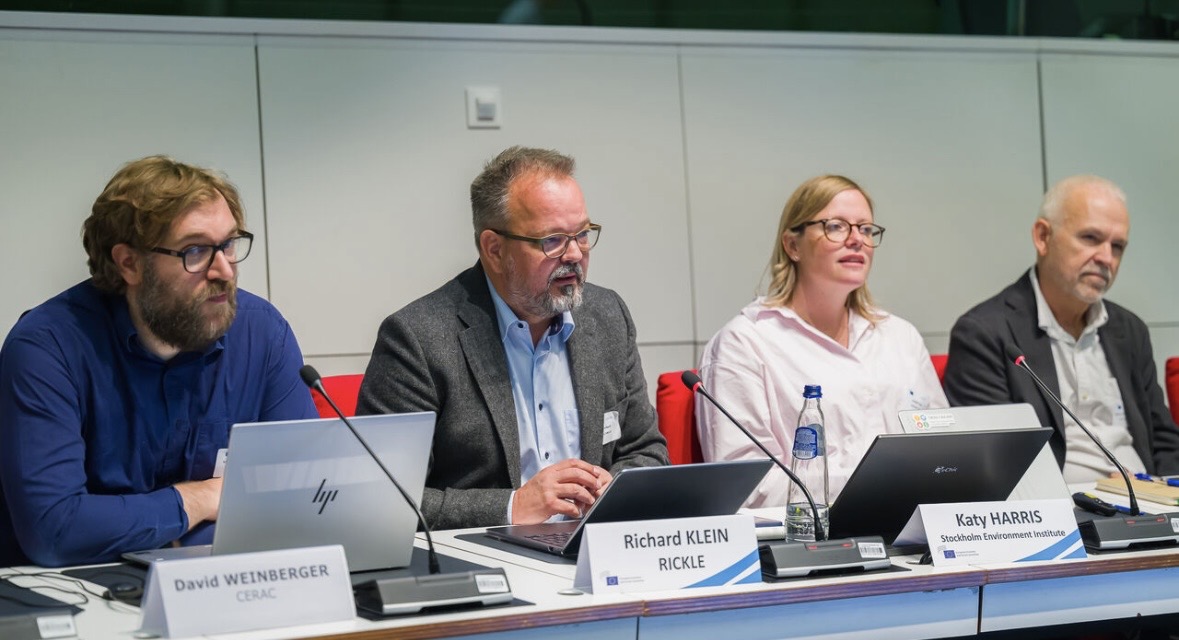
Photo source: IDDRI
The dialogue was jointly organised by the European Economic and Social Committee (EESC), IDDRI, CROSS-CASCADE and Adaptation Without Borders in the context of the forthcoming EU Integrated Framework on Climate Resilience (IFCR).
Participants represented a wide range of perspectives, including infrastructure operators and asset managers, public authorities, researchers, financial actors, insurers, national governments, EU institutions and civil society. The meeting provided an opportunity to exchange experiences from across Member States and sectors, identify remaining challenges, and discuss how the IFCR could strengthen existing approaches to climate resilience.
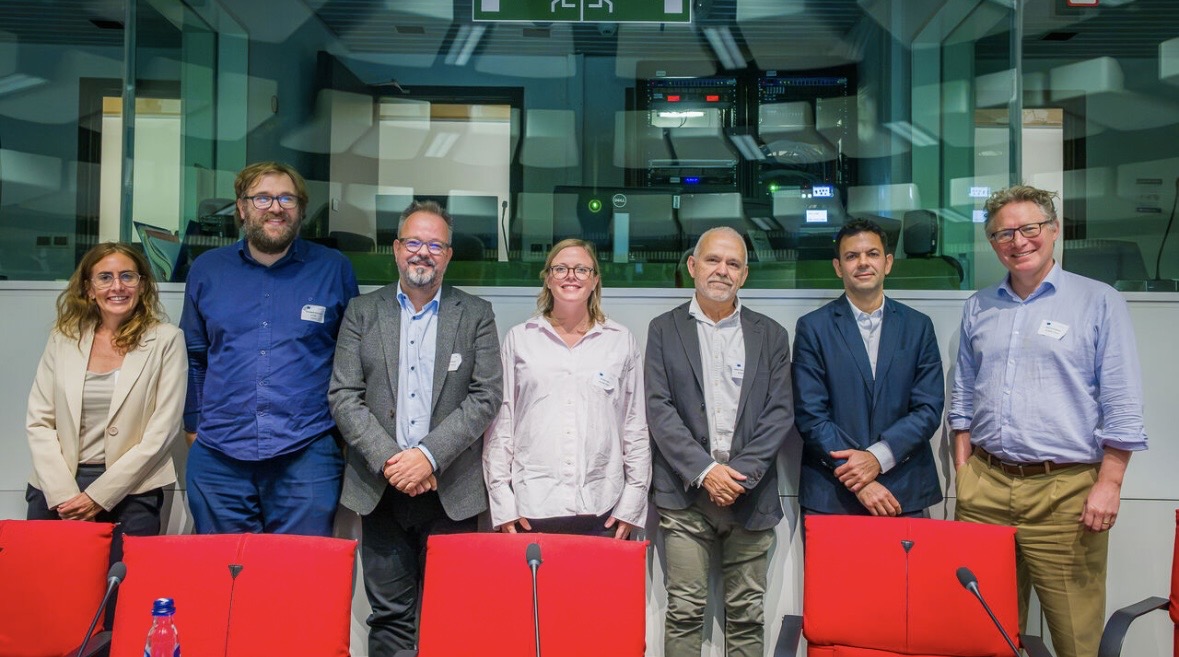
Photo source: IDDRI
The morning sessions examined the emerging European climate-resilience policy framework, the allocation of responsibilities and financing for critical infrastructure resilience, and the challenges created by interdependencies between sectors and countries.
In the afternoon, participants worked in breakout groups focusing on system resilience in the energy and transport sectors and on the management of cross-sectoral and cross-border interdependencies. The dialogue concluded with a collective discussion on which challenges could be addressed at European level and how the IFCR could support clearer risk ownership, stronger resilience and greater cross-border cooperation.
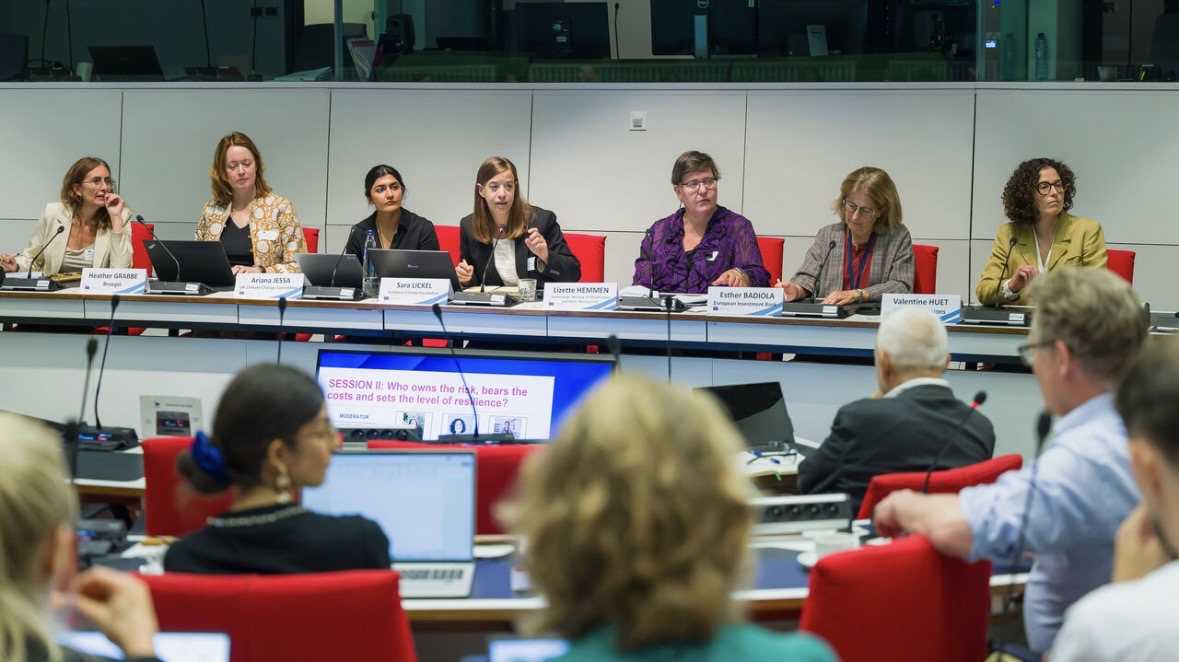
Photo source: IDDRI
Key messages from the dialogue
Several common themes emerged from the discussions:
- The desired level of resilience is ultimately a political and societal choice. Decisions are required about acceptable levels of disruption and residual risk, who should adapt, who should bear the costs, and what level of service society expects.
- A significant gap remains between climate-risk awareness and investment in resilience. Traditional business cases do not always capture the value of prevention, continuity of essential services, nature, or avoided systemic risks.
- Resilience needs to move beyond individual assets towards interconnected systems and services. Effective planning must account for interdependencies, cascading risks, redundancy and continuity of services.
- Clearer governance and risk ownership are needed. Responsibilities remain fragmented across sectors, levels of government and countries, making it difficult to determine who is accountable for particular risks and investments.
- Cross-sectoral and cross-border cooperation is essential. Interconnections can transmit risks, but they can also provide redundancy and strengthen resilience when supported by appropriate governance and information-sharing.
- Nature and ecosystems should be integrated into infrastructure resilience planning. Their contribution to reducing climate risks is often undervalued in conventional investment and resilience assessments.
The discussions also highlighted an important potential role for the forthcoming EU Integrated Framework on Climate Resilience. Participants pointed to the need for stronger coordination, clearer responsibilities and risk ownership, improved approaches to adaptation finance and investment, and better governance of cross-border and cross-sectoral interdependencies.
The dialogue demonstrated strong interest in strengthening climate resilience across Europe and provided a valuable space for exchange between policy, research, infrastructure, finance and practice.
CROSS-CASCADE thanks all participants and partner organisations for contributing to the dialogue and the discussions.